 Reviews


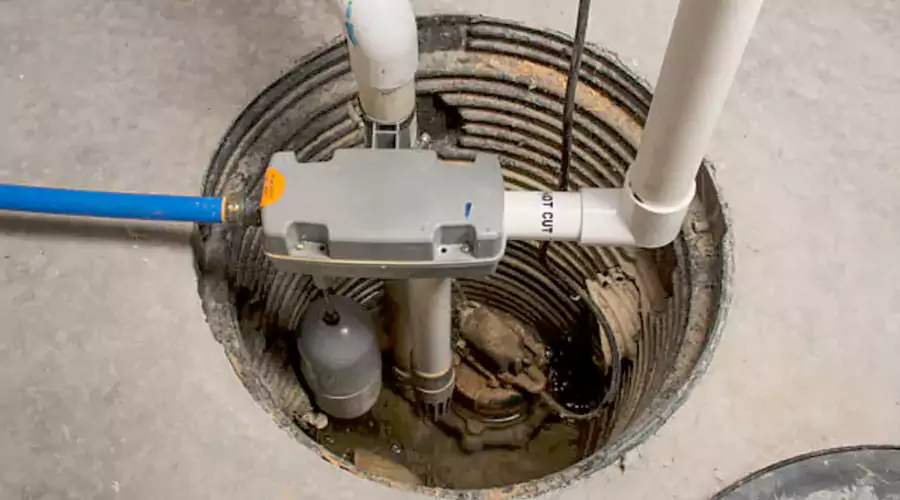
The performance of a sump pump is heavily influenced by routine maintenance and attention to its components. Sump pumps are relied upon to protect basements and foundations from flooding, and their efficiency can decline when proper care is neglected. Mechanical wear, clogged discharge lines, sediment buildup, or electrical issues can all silently affect performance over time, making consistent maintenance critical to prevent emergency failures.
Importance of Regular Inspections
The operation of a sump pump is considered reliable only when regular inspections are conducted. Every component, including the float switch, impeller, motor, and check valve, is observed periodically to ensure correct function. Performing a thorough plumbing inspection helps identify minor issues early, preventing them from escalating into costly repairs or complete pump failure.
Signs such as unusual noises, erratic cycling, or slow pumping are often detected during routine checks, allowing for corrective actions before flooding occurs. Annual inspections are generally recommended, though more frequent checks may be required in areas with high water tables or heavy seasonal rainfall.
Cleaning and Sediment Management
The efficiency of a sump pump is commonly reduced by debris and sediment accumulation within the basin or pump. Sediment deposits can clog the intake or interfere with mechanical movement, reducing the system?s ability to discharge water effectively. It is suggested that basins are cleaned thoroughly, removing leaves, dirt, or small stones. During cleaning, the pump is lifted to inspect for corrosion or mechanical wear on the housing and impeller.
- Sediment is flushed from the basin using a hose to prevent clogging.
- Obstructions around the float switch are cleared to maintain proper operation.
- Pump intakes are inspected and cleared to prevent motor strain.
Maintaining a clean environment around the pump reduces the risk of failure and prolongs the lifespan of the system.
Mechanical Care and Lubrication
Mechanical components of a sump pump are often compromised when lubrication is neglected. Bearings can become dry or corroded, resulting in increased friction and eventual motor burnout. Lubrication is recommended according to manufacturer guidelines, often during sump pump annual maintenance.
In addition, vibrations or unusual sounds are considered warning signs that mechanical components require attention or replacement. Regular mechanical care ensures the pump is prepared to handle heavy water inflows without interruption.
Electrical System Considerations
A sump pump?s electrical supply is critical to its operation, and its maintenance is frequently overlooked. Wiring, plugs, and circuit breakers are inspected to ensure proper connectivity and prevent interruptions. Power outages can severely affect pump performance, so battery backup units are often installed and tested to guarantee operation when the main supply fails.
- Battery backups are checked regularly to confirm readiness during power failures.
- Electrical terminals are examined for corrosion or loose connections.
- Alarm systems for pump failure are verified to ensure alerts are functional.
Proper electrical maintenance ensures consistent operation and immediate notification of malfunctions, reducing the risk of flooding.
Discharge Pipe and Check Valve Maintenance
Discharge pipes and check valves are frequently the source of performance issues. Pipes may become blocked, cracked, or improperly connected, reducing water discharge efficiency. Routine inspections involve clearing pipes of debris, checking for leaks, and ensuring that the check valve prevents backflow into the basement.
Neglecting discharge pipe maintenance often results in water returning to the sump basin, nullifying the pump?s purpose. Ensuring that discharge systems are clear and functioning correctly is critical to reliable performance.
Seasonal Maintenance and Preventive Measures
Maintenance needs are significantly affected by seasonal changes, particularly in areas with freezing temperatures. Pipes and basins may be insulated or heated to prevent freezing, while water levels are monitored during storms to ensure the pump can manage sudden inflows.
Preventive measures such as these are critical to maintaining operational reliability during extreme weather conditions. By addressing seasonal risks, homeowners can avoid emergency repairs and maintain consistent protection against basement flooding.
Professional Maintenance Recommendations
Although basic maintenance can be performed by homeowners, professional servicing is frequently recommended. Technicians can conduct detailed inspections, including motor performance tests, internal component assessment, and electrical evaluation.
With professional sump pump maintenance tips, potential problems are detected early, and comprehensive maintenance records are maintained. Professional servicing ensures that the pump is fully prepared to operate during peak demand, minimizing the likelihood of unexpected failure.
Common Warning Signs That Maintenance is Required
Several warning signs are typically observed when a sump pump requires maintenance. Unusual noises, repeated cycling, slow water discharge, or failure to start during high water levels are all considered indicators of potential issues. Recognizing these signs early allows for prompt intervention, preventing complete pump failure and the associated risk of basement flooding. Consistent monitoring combined with timely maintenance is essential for ensuring reliable performance.
Final Thoughts on Sump Pump Maintenance
The performance of a sump pump is strongly influenced by cleaning, mechanical care, electrical checks, discharge pipe maintenance, seasonal preparation, and professional inspections.
By adhering to a regular maintenance schedule and addressing warning signs promptly, the risk of pump failure is minimized, operational efficiency is maintained, and the basement is protected from flooding. With diligent attention, a sump pump can provide reliable, long-term protection for the home, ensuring peace of mind for homeowners.
Frequently Asked Questions
How often should a sump pump be maintained?
Sump pumps are typically inspected and serviced at least once a year, though heavy rainfall areas may require semi-annual checks.
What signs indicate a sump pump is failing?
Unusual noises, repeated cycling, slow water discharge, or failure to start during high water levels often signal maintenance is needed.
Can debris in the sump basin cause pump failure?
Yes, sediment, dirt, or leaves can clog the pump intake or float switch, reducing performance and risking basement flooding.
Is battery backup necessary for sump pump reliability?
Battery backups are recommended to ensure operation during power outages, especially during storms or severe weather events.
Are professional sump pump inspections worth it?
Professional inspections detect hidden mechanical or electrical issues, ensuring the pump functions efficiently and preventing costly water damage.